Wildlife photography workshop: Vultures of the Baronnies, Drôme Provençale
A one-day wildlife photography workshop near Rémuzat, in the Baronnies and the Drôme Provençale, in a small group of 3 to 6 photographers. Beginner or experienced, you learn to track and photograph vultures in flight. Allow about 30 minutes of easy, flat walking.
At a glance
- Duration
- 1 day
- Photography level
- All levels: no prior experience needed
- Physical effort
- Easy walking for everyone: under 30 min, little or no elevation gain
- Participants
- 3 to 6 participants
- Location
- Rémuzat – Drôme Provençale
- Equipment needed
- Focal length > 300 mm, tripod recommended.
Your photographer

Maxime
Based in Vaison-la-Romaine, I photograph the landscapes and wildlife of Provence all year round, from Mont Ventoux to the Sault plateau. My work has appeared in L’Œil de la Photographie and The Guardian. On my workshops, I take you to spots I know well, at the right time of day, and explain every setting in plain words.
A photography workshop that follows the vultures’ flight
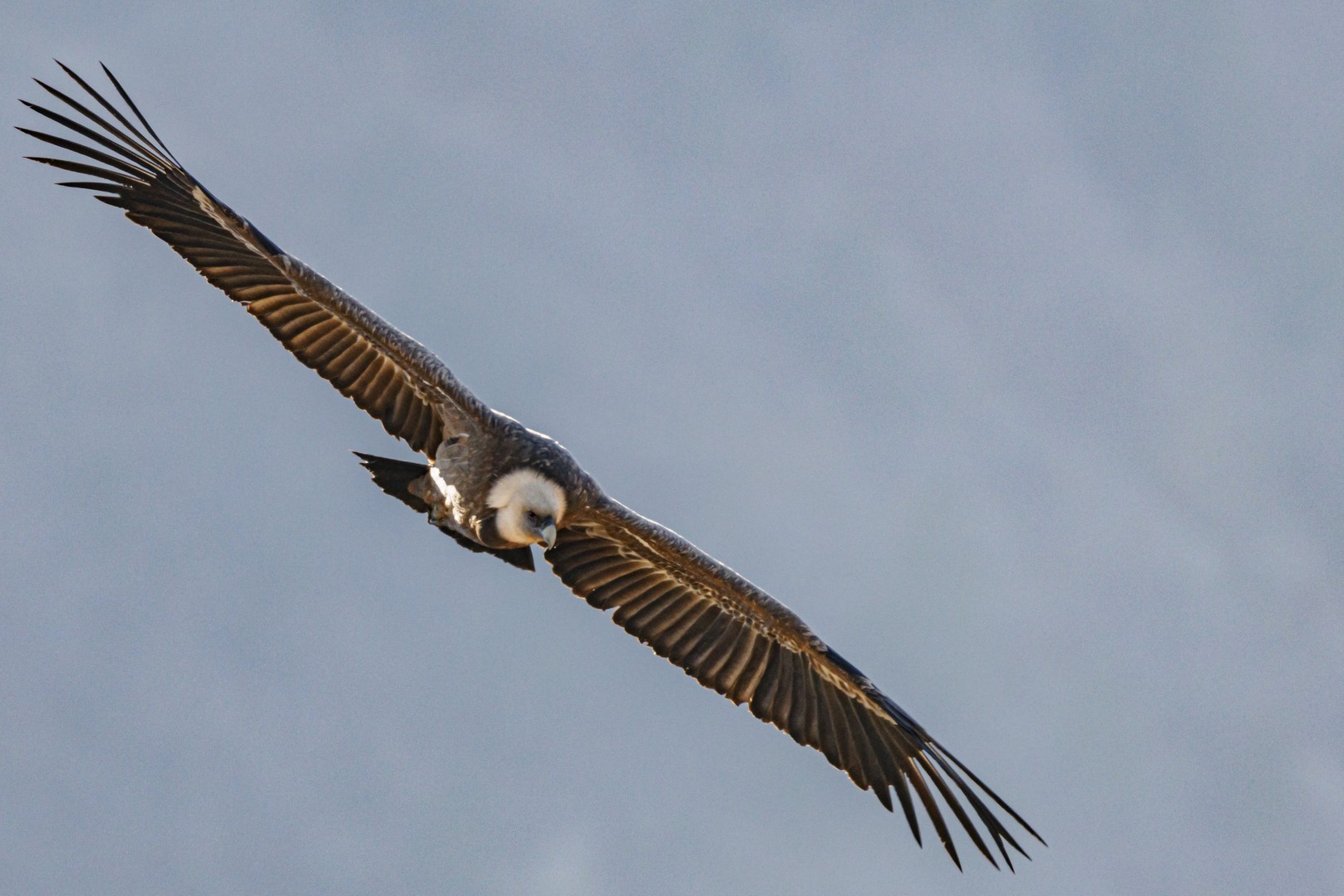
Vultures hardly flap their wings. They need sun on the cliff faces and wind on the slopes to gain height. That decides where they fly, and when.
In the morning, they take off once the cliff warms up. Around midday, they go higher to look for food, often in groups. Late in the day, they come back towards the cliffs. We follow that rhythm and change viewpoint with the wind. A few days before the workshop, I send you the meeting point near Rémuzat.
What we will photograph
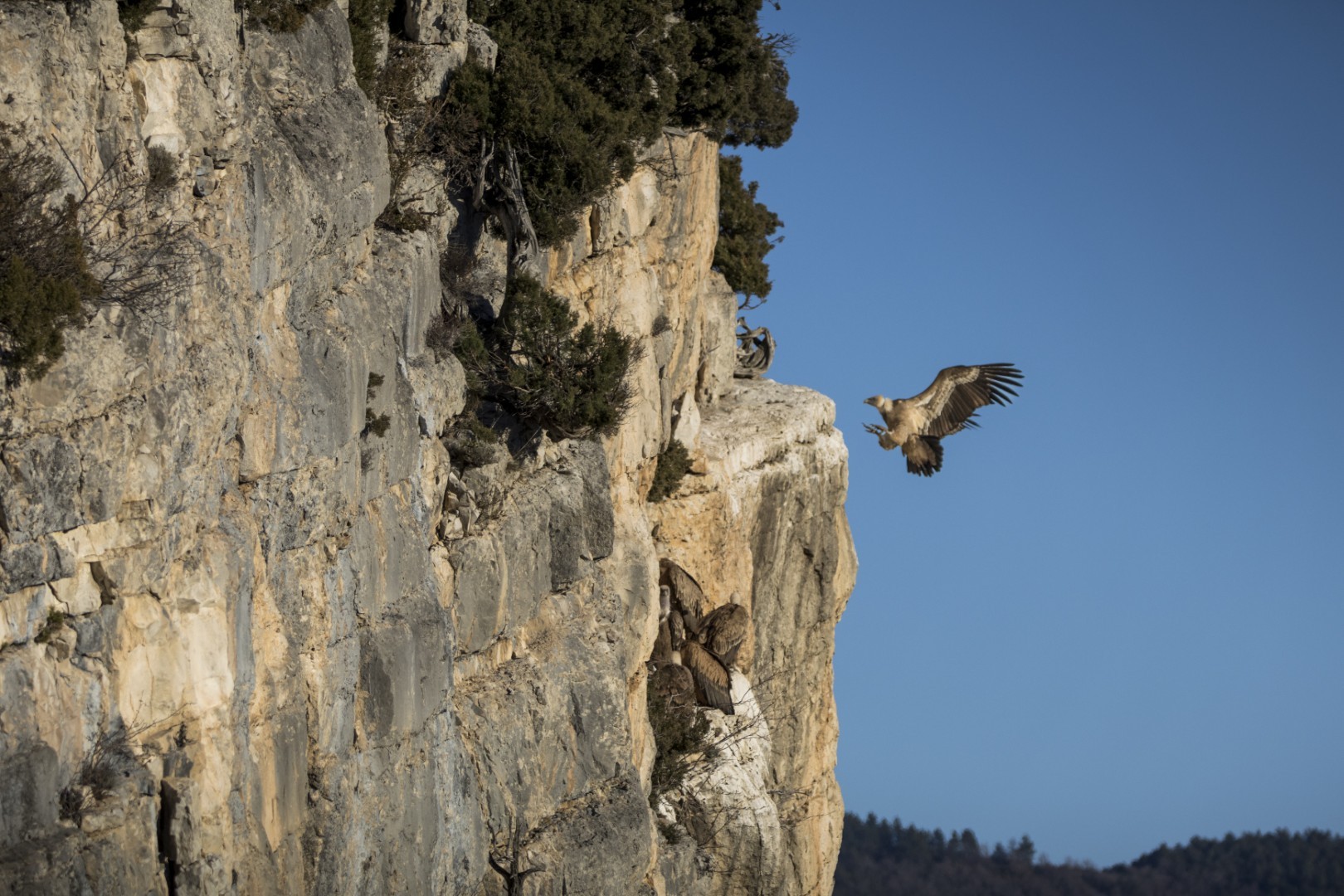
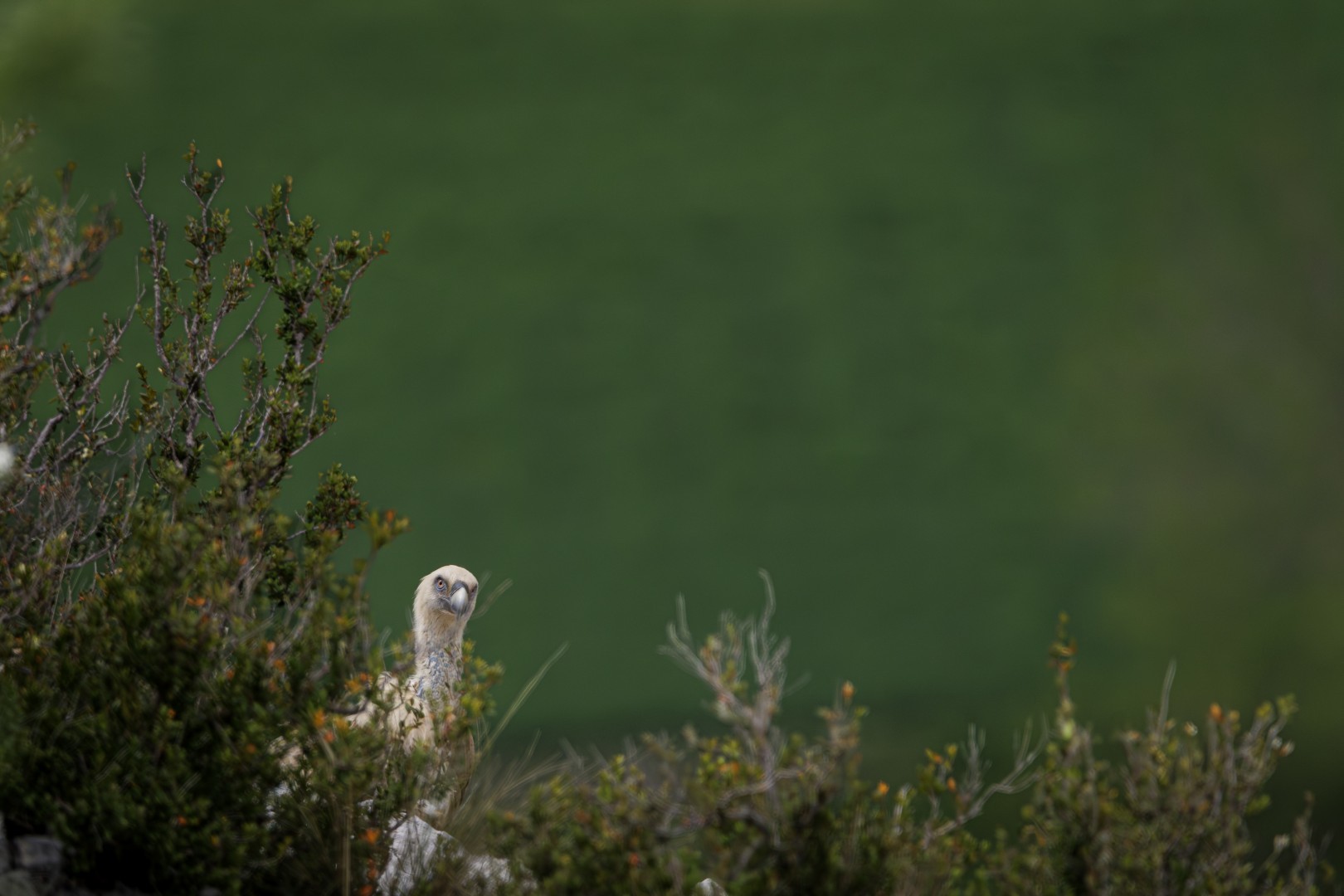
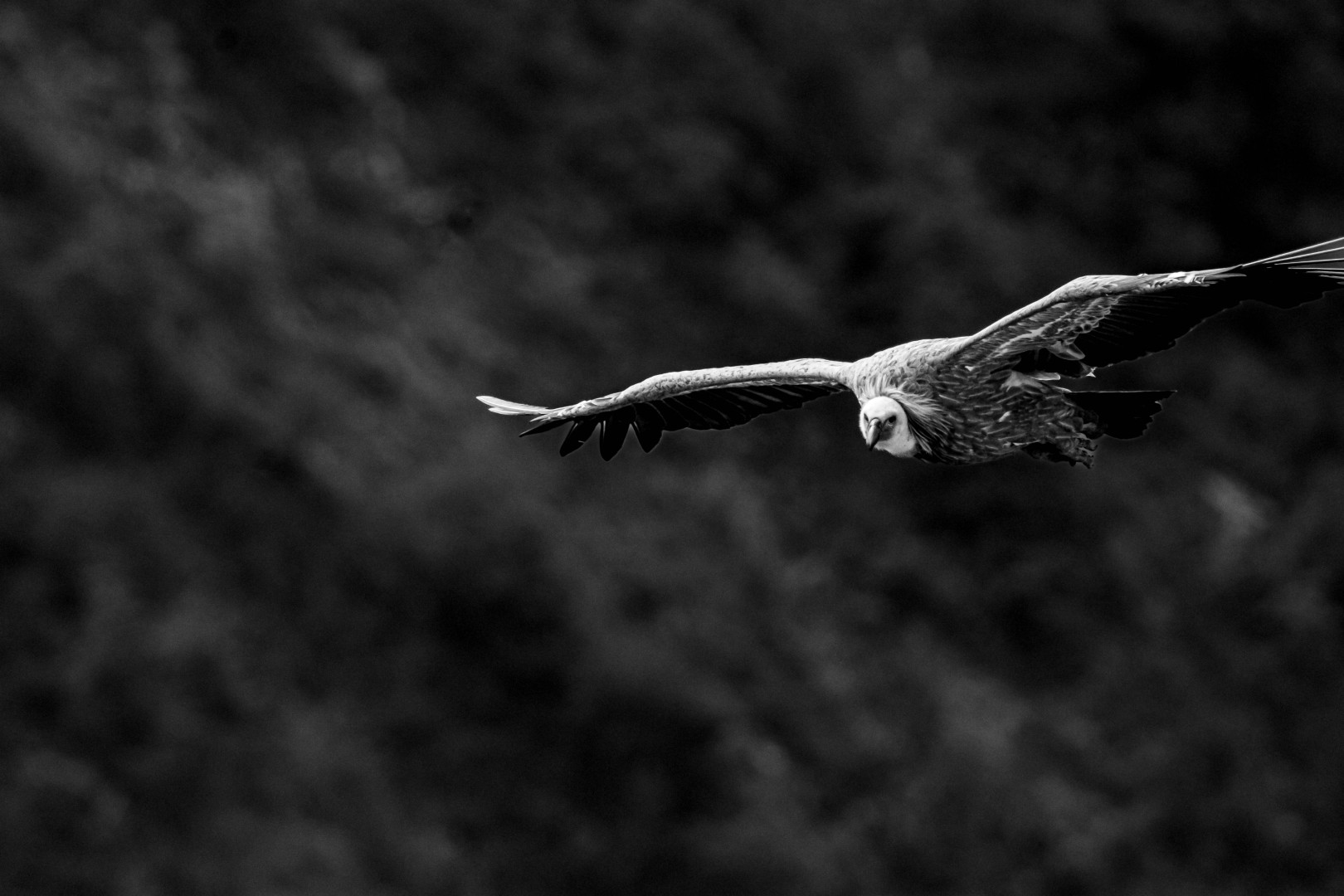
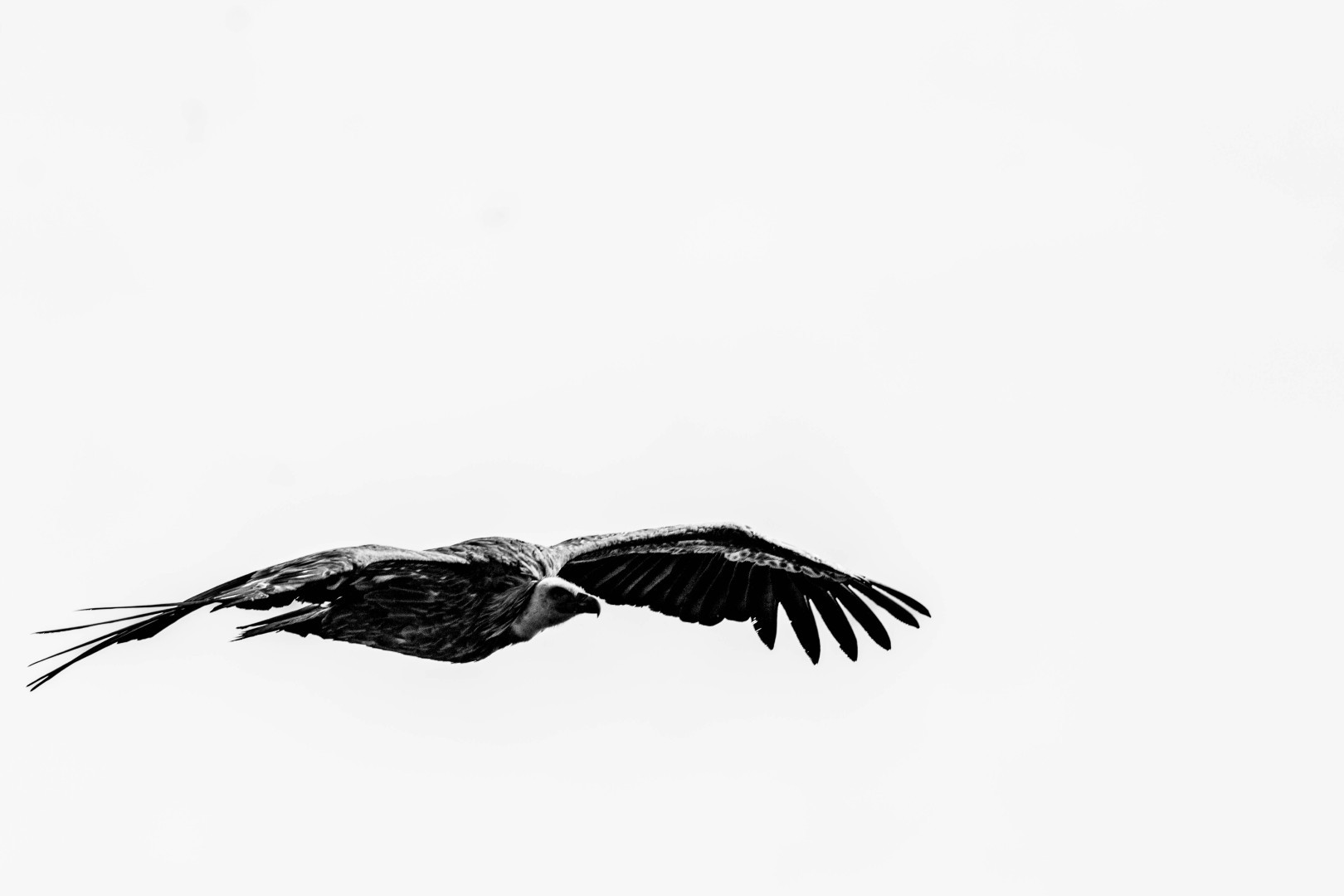
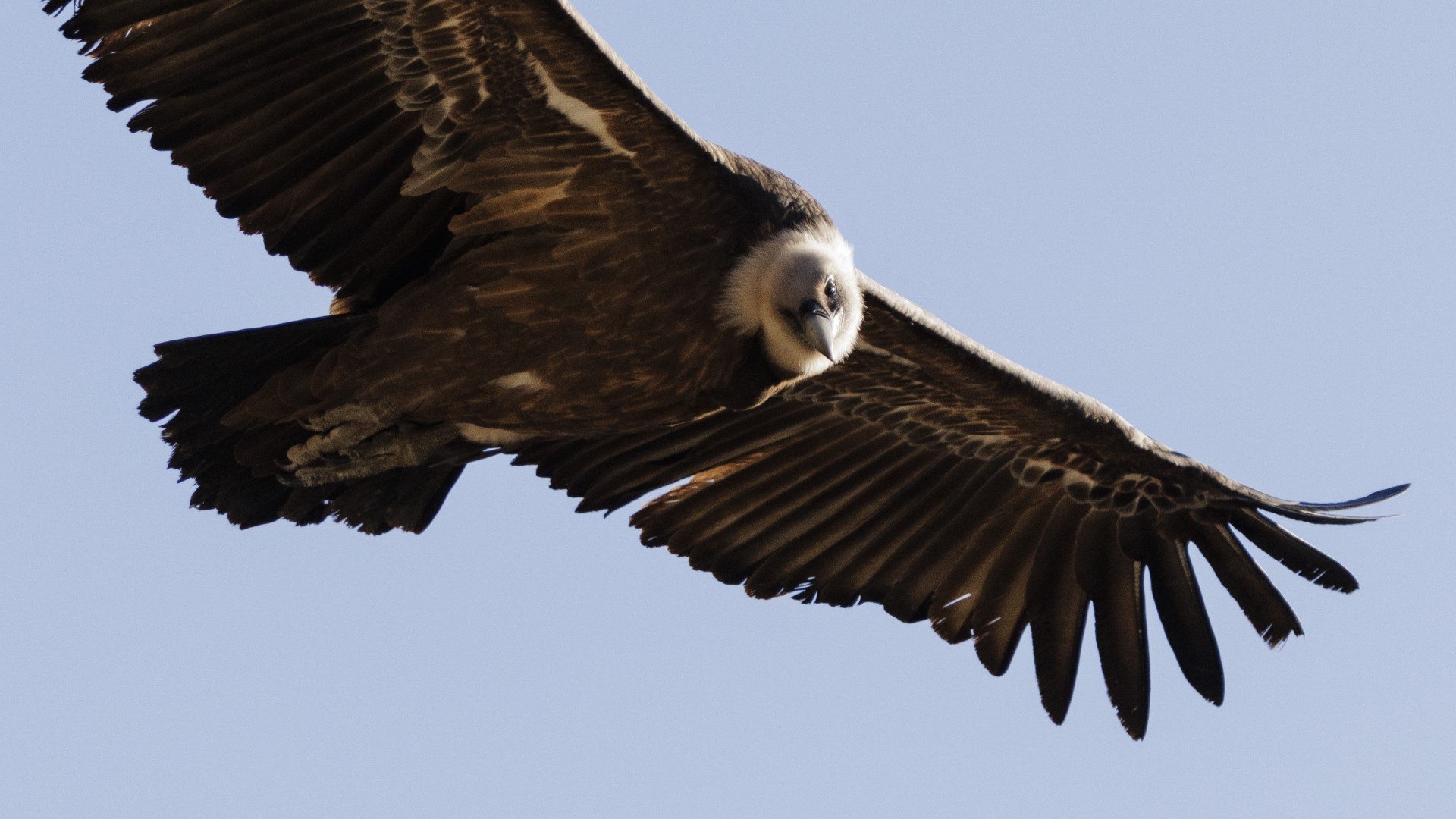
- The griffon vulture, present all year round, with its 2.80 m wingspan
- The cinereous vulture, rarer and bulkier, with its dark silhouette
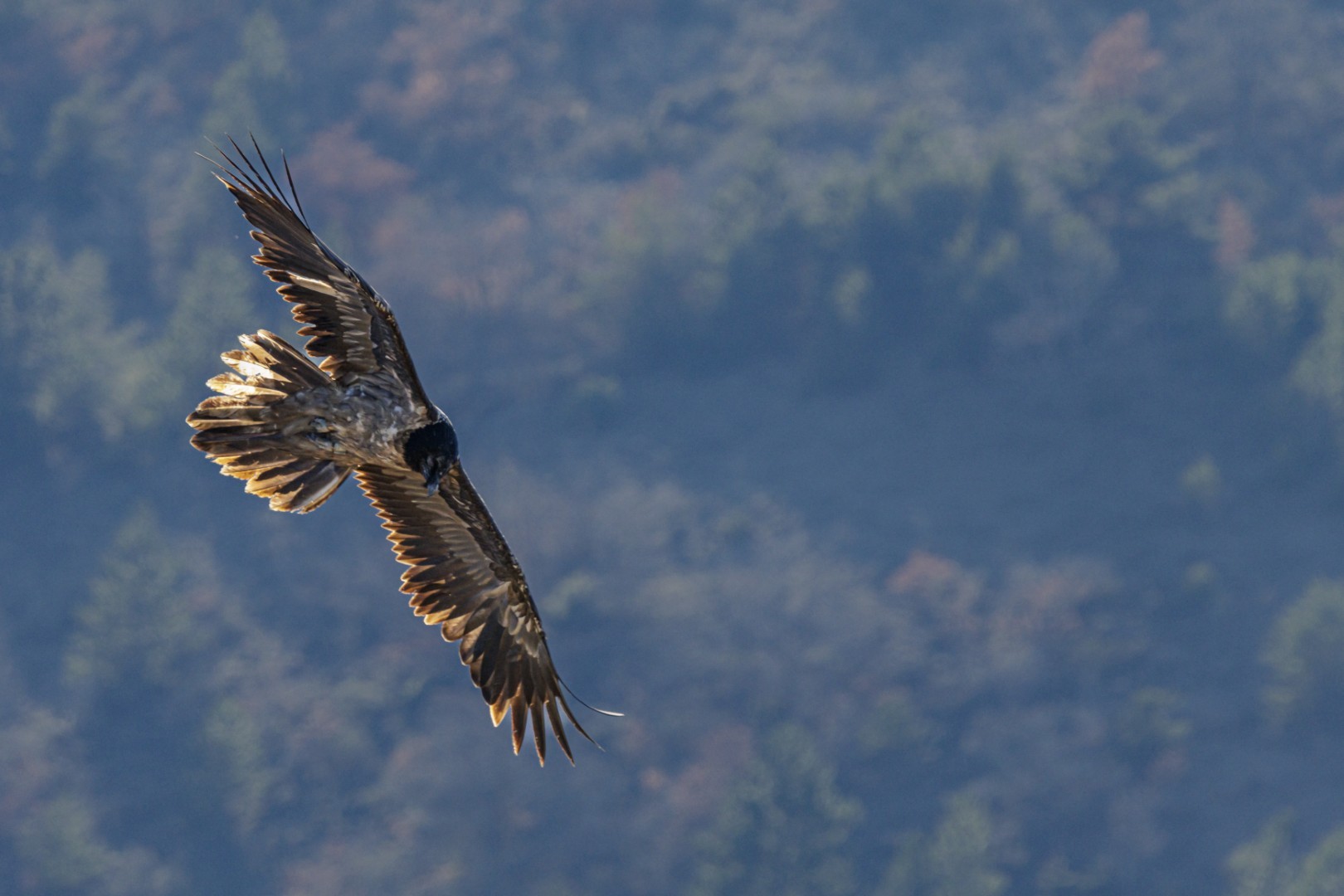
- With luck, the bearded vulture, which is far rarer
- In April and May, the Egyptian vulture and, among the other raptors, the short-toed snake eagle
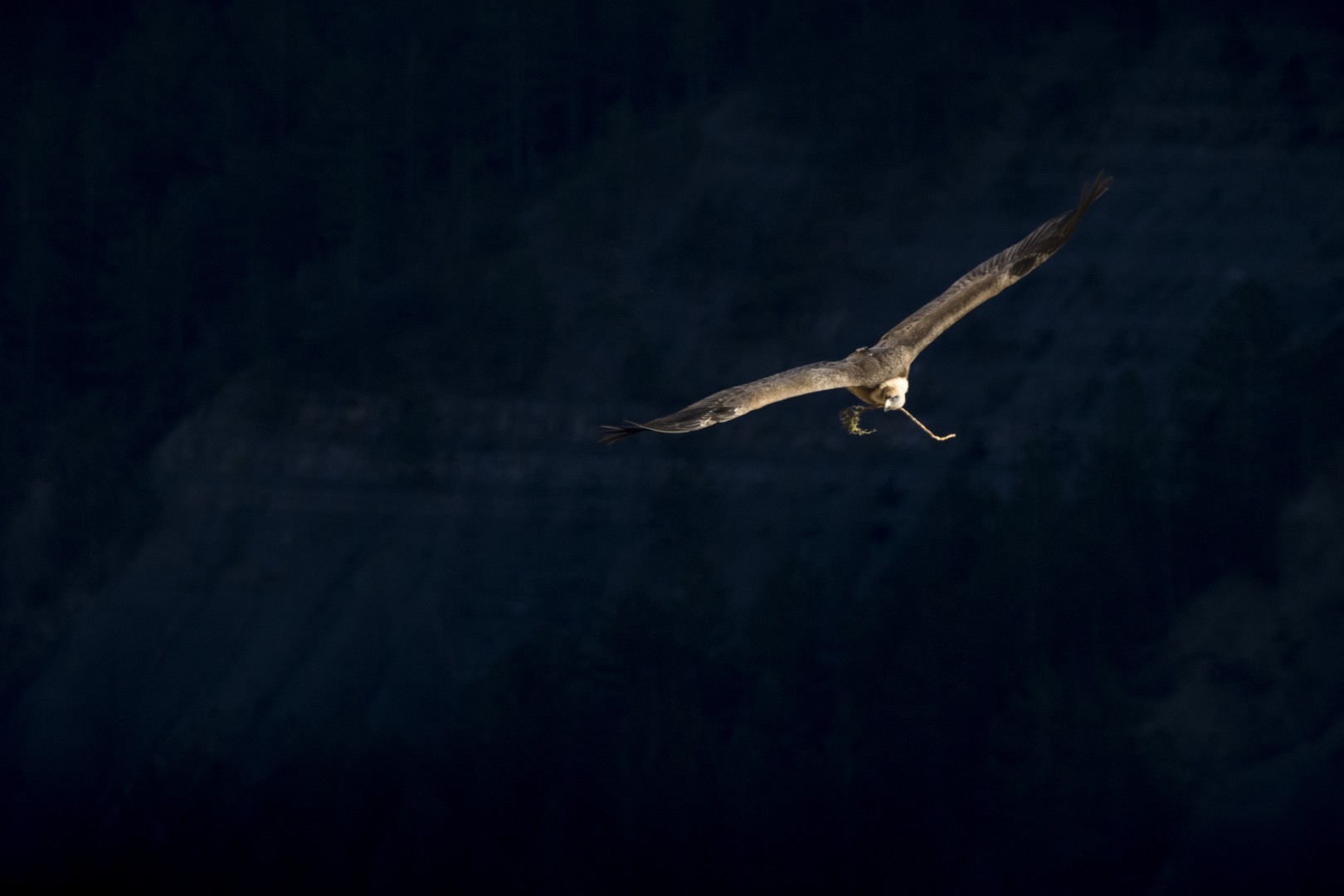
- Birds in flight against the cliffs and the hills of the Baronnies
- Silhouettes and backlit shots as they return at the end of the day
January or spring?
January is courtship season. The vultures are active near the cliffs and the light stays low all day. Thermals are weaker, so the wind matters more.
In April and May, the birds are nesting. The adults fly back and forth between the cliffs and their feeding grounds, often along the same lines. That makes it easier to find a good position. The Egyptian vulture is back as well.
Who is it for? All levels are welcome
This vulture photography workshop is open to beginners too. If you have never photographed a bird in flight, we start with the basics: shutter speed, continuous autofocus and burst mode.
If you already shoot regularly, we work on tracking your subject, composing with the landscape and backlit shots. Advice is tailored to each person, right there in the field.
Wild animals, not a zoo
Seeing vultures here is very likely, but nobody can guarantee it. These birds are free, and we never attract them with bait or food. The wind, the sky and the birds set the programme.
We stay on the paths and keep our distance from the nests. During the breeding season, disturbance can be fatal to the chicks.
A small group, 30 minutes of walking
The group is limited to 6 participants. That leaves me time to check in with everyone, look at your images and fix a setting at the right moment. Allow about 30 minutes of easy, flat walking.
How the day runs
We meet at 9 am near Rémuzat. There is no need to set off at dawn: in winter, the big flights rarely start before 9 or 10 am. We then car-share between participants. Fewer cars also means more peace and quiet on site.
The day takes in several viewpoints depending on the wind, with a picnic break at midday. It ends at 5.30 pm in January and at 6 pm in April and May.
Equipment to bring
A DSLR, mirrorless or bridge camera, with its user manual and a focal length of at least 300 mm. A 100-400 mm or 150-600 mm zoom works very well. A tripod is recommended. Bring charged batteries and an empty memory card: bursts fill it quickly. Binoculars help you spot the birds.
What else to bring
Walking shoes, water and a picnic for lunch. In January, bring warm clothes, a hat and gloves: you stand still for a long time, often in the wind. In spring, add a sun hat and sunscreen. Transport and meals are at your own expense.
In case of bad weather
This workshop depends on the sky. I decide whether it goes ahead based on the forecast. If conditions are not right, it is moved to the following Sunday, or cancelled and refunded.
Why this workshop rather than another?
I discovered these birds while paragliding, when a small group came to fly alongside my wing. I still fly, and I read the wind and the thermals the way they do. In the field, that helps choose where to stand, and when.
One day is enough to understand how vultures fly and come home with your own images. Choose your date above.
To prepare, read our guide (in French) Photographing the vultures of the Baronnies.