Wildlife photography workshop: Flamingo courtship display in the Camargue
A one-day wildlife photography workshop in the Camargue, at the Pont de Gau bird park, during the courtship display of the greater flamingos. In a small group of 3 to 6 photographers, beginner or experienced, you learn to anticipate the display and to photograph the other winter birds. The paths are flat, with no climbing.
At a glance
- Duration
- 1 day
- Photography level
- All levels: no prior experience needed
- Physical effort
- Easy walking for everyone: under 30 min, little or no elevation gain
- Participants
- 3 to 6 participants
- Location
- Pont de Gau – Camargue
Your photographer

Maxime
Based in Vaison-la-Romaine, I photograph the landscapes and wildlife of Provence all year round, from Mont Ventoux to the Sault plateau. My work has appeared in L’Œil de la Photographie and The Guardian. On my workshops, I take you to spots I know well, at the right time of day, and explain every setting in plain words.
A photography workshop timed to the flamingos’ courtship display
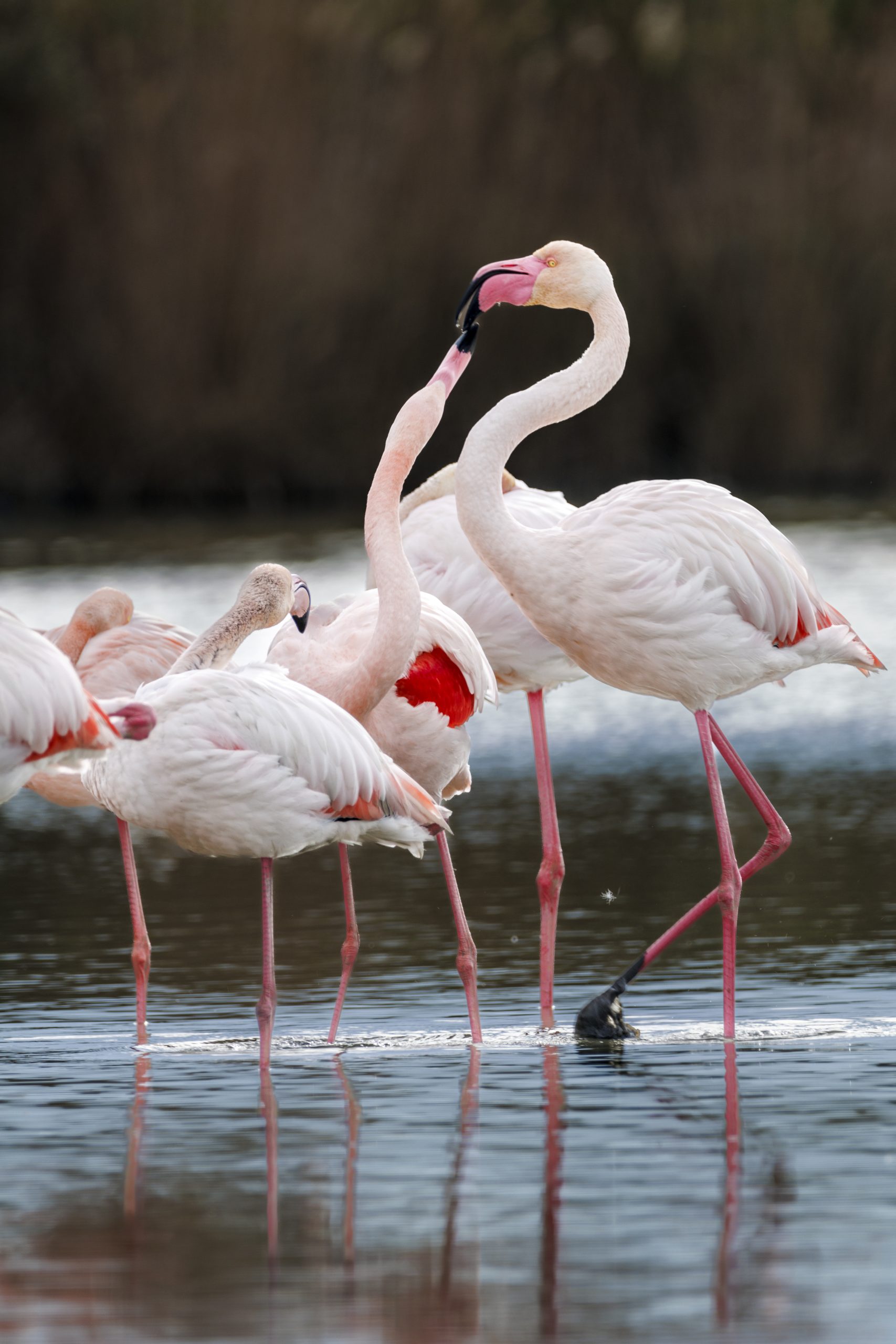
From December to the end of February, flamingos form their pairs. They display in groups, and winter is when their plumage is at its pinkest. Heads rise and turn from left to right. Then the wings snap open for a few seconds, showing the red and black feathers. The group closes ranks and marches in step.
This dance is more than a show. In the Camargue, researchers at the Tour du Valat filmed the displays of 100 flamingos aged 4 to 37. The birds with the most complex displays are also the most successful breeders. Middle-aged adults display best, the youngest and oldest less well.
For photographers, that is good news: the display often follows the same order, head first, then wings. After two or three sequences, you see the wing opening coming instead of discovering it on the screen.
What we will photograph
- The group display: necks stretched, wings open, tight marching
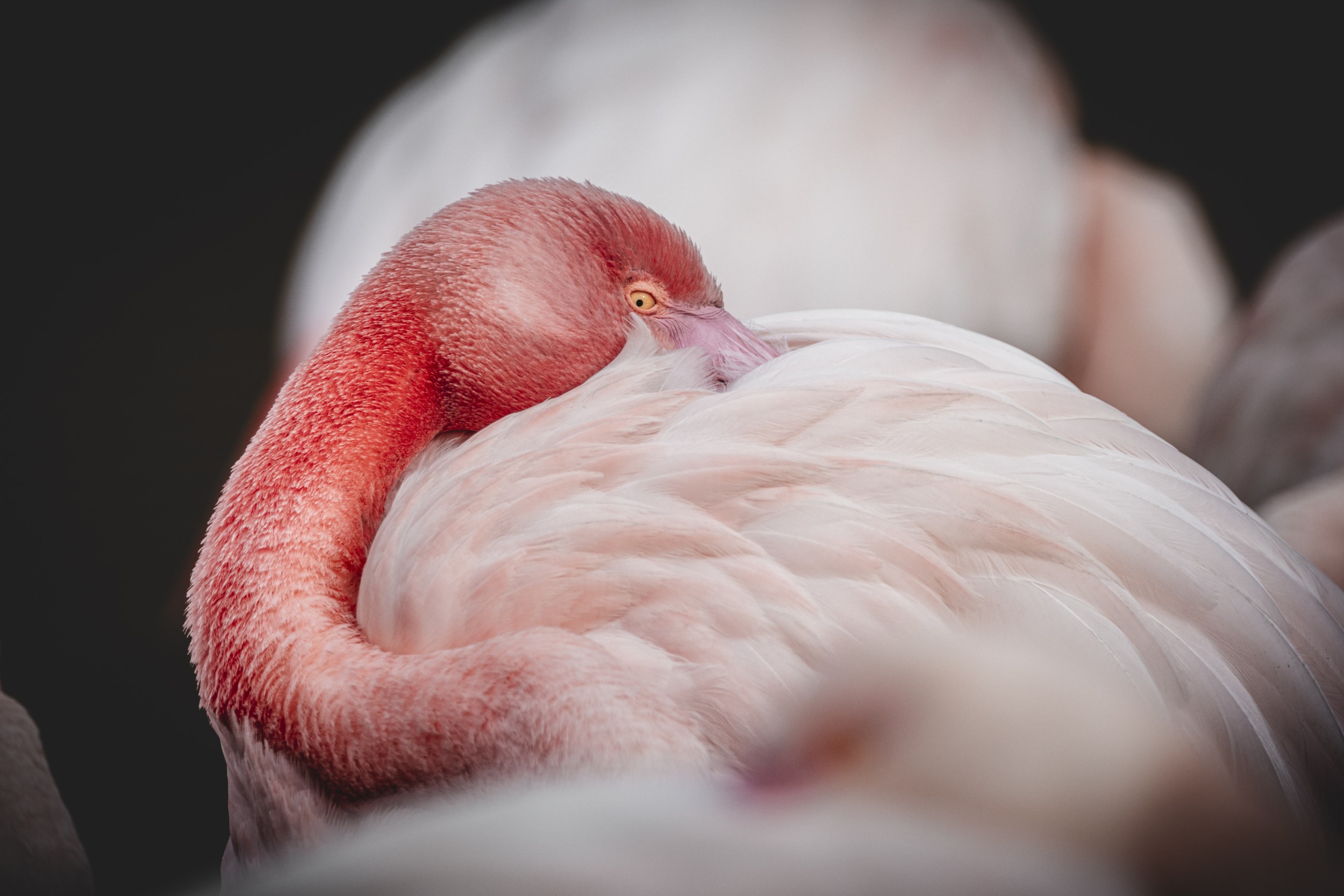
- Close portraits showing the winter plumage and the pink-and-black bill
- Flamingos in flight over the marsh
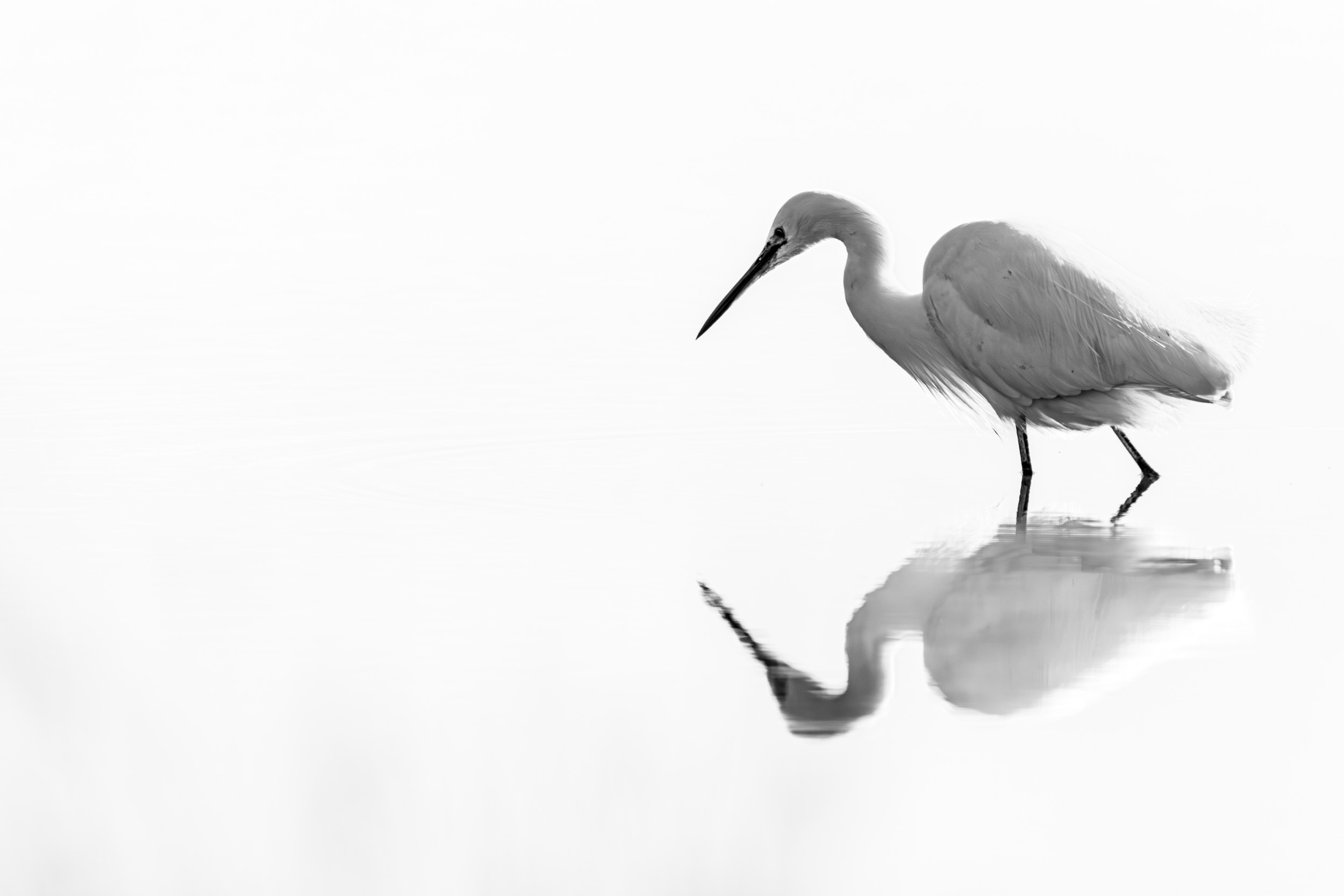
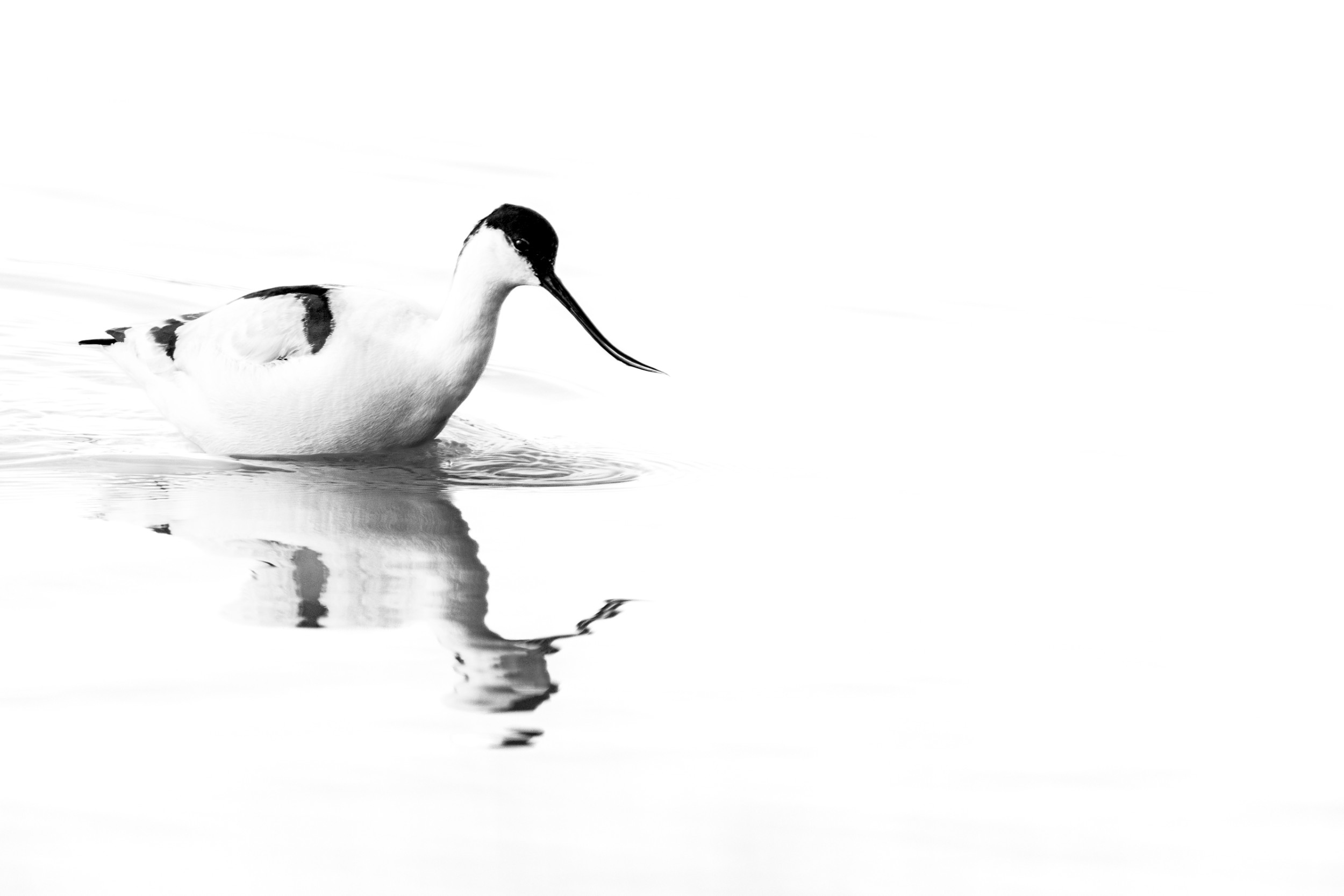
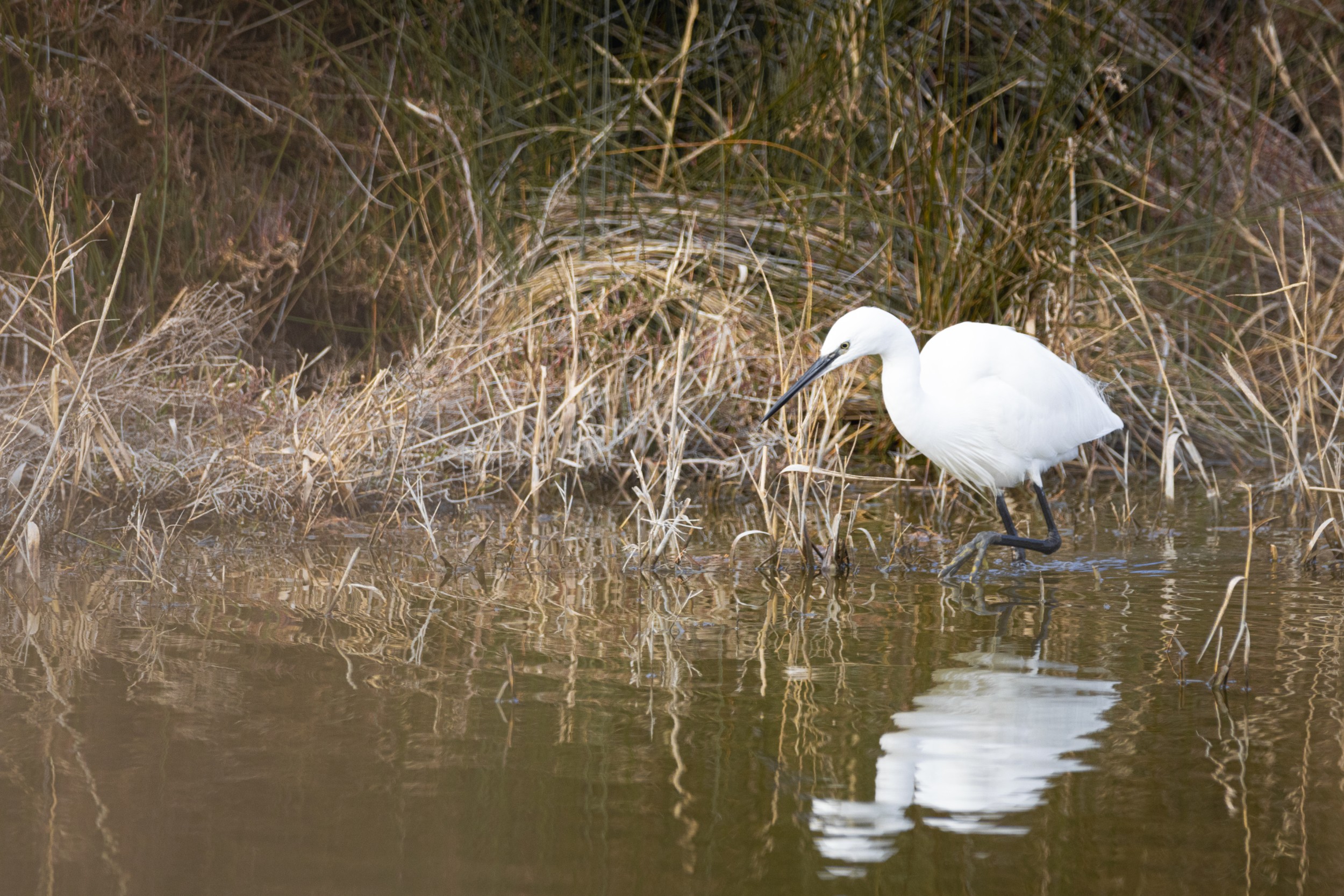
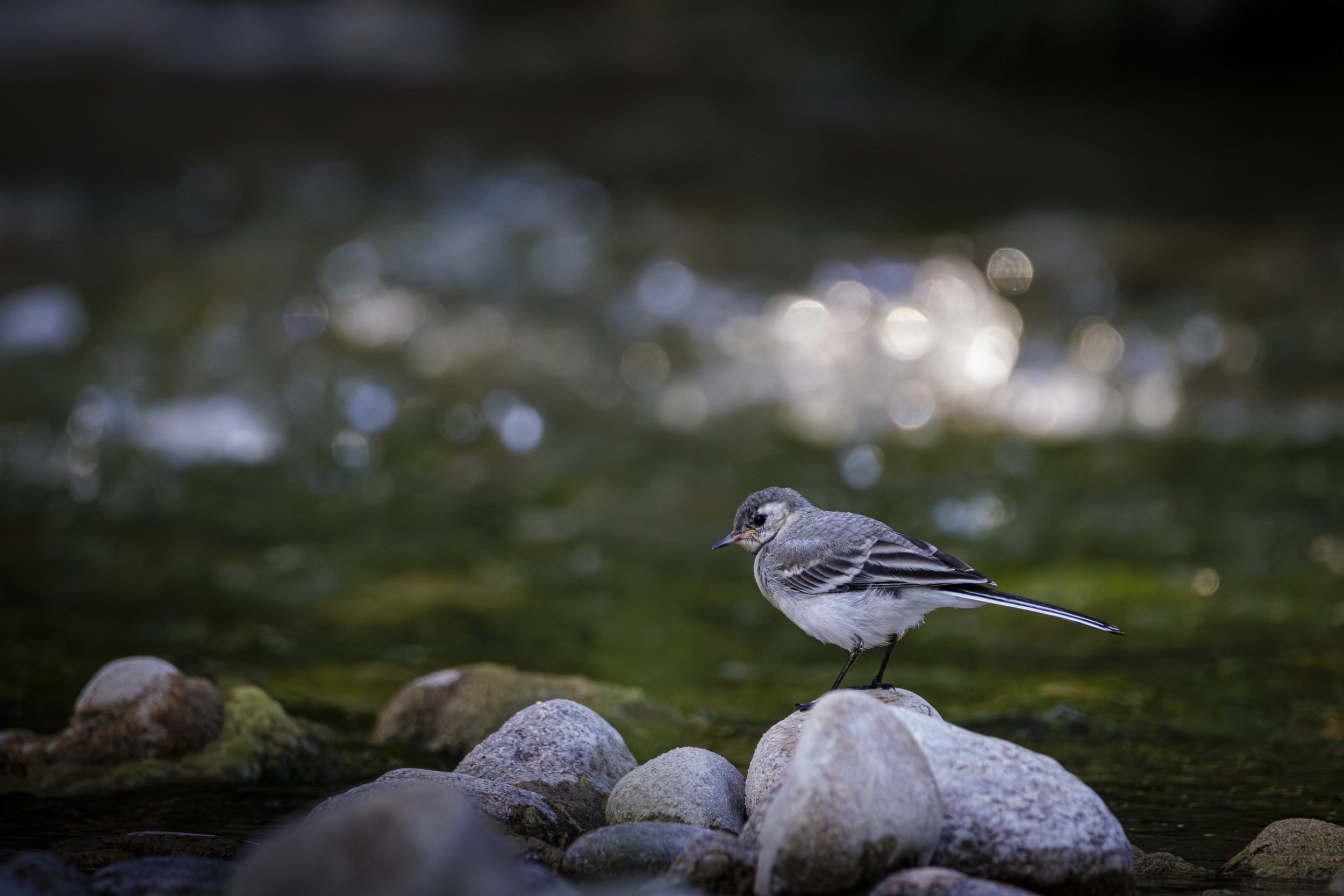
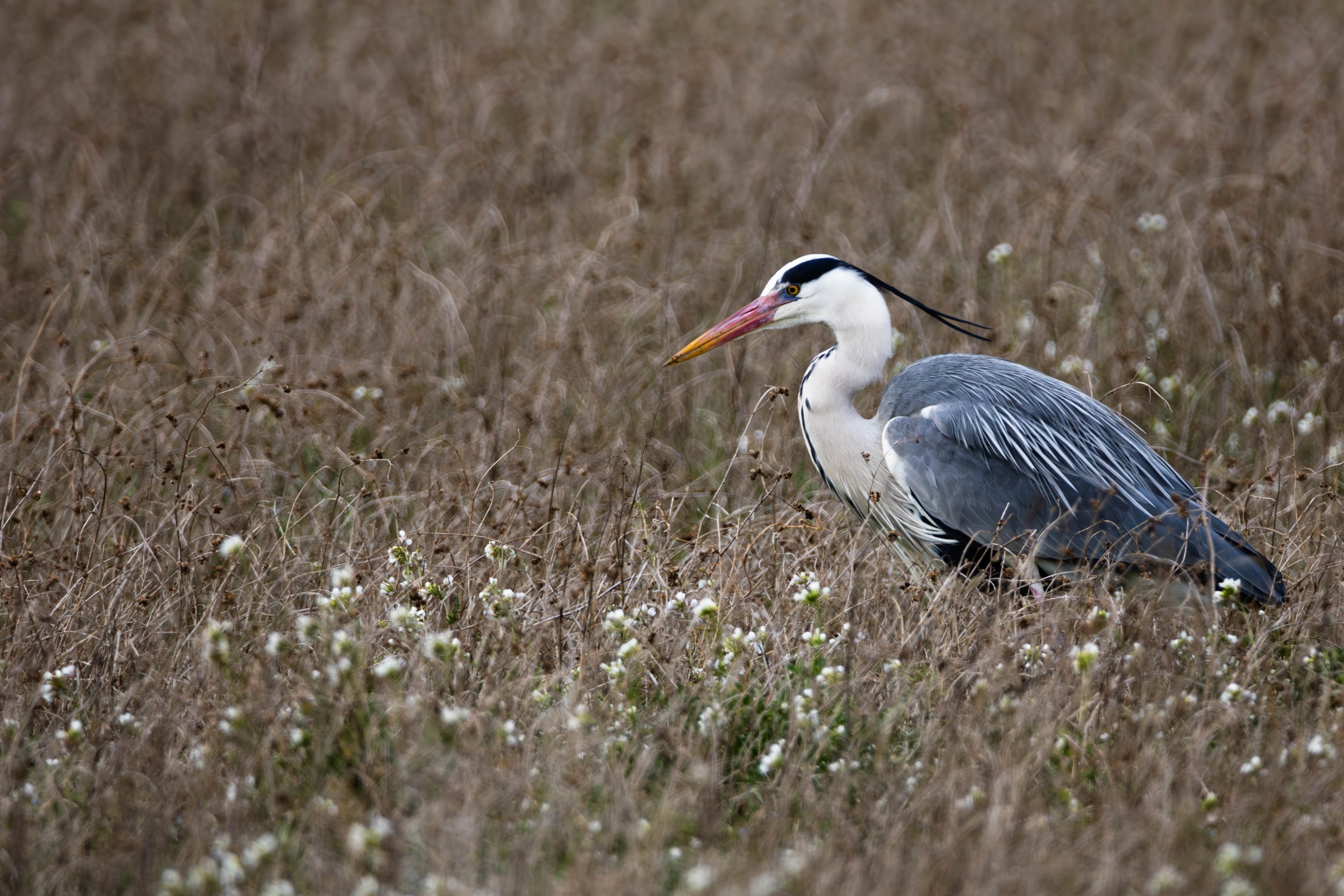
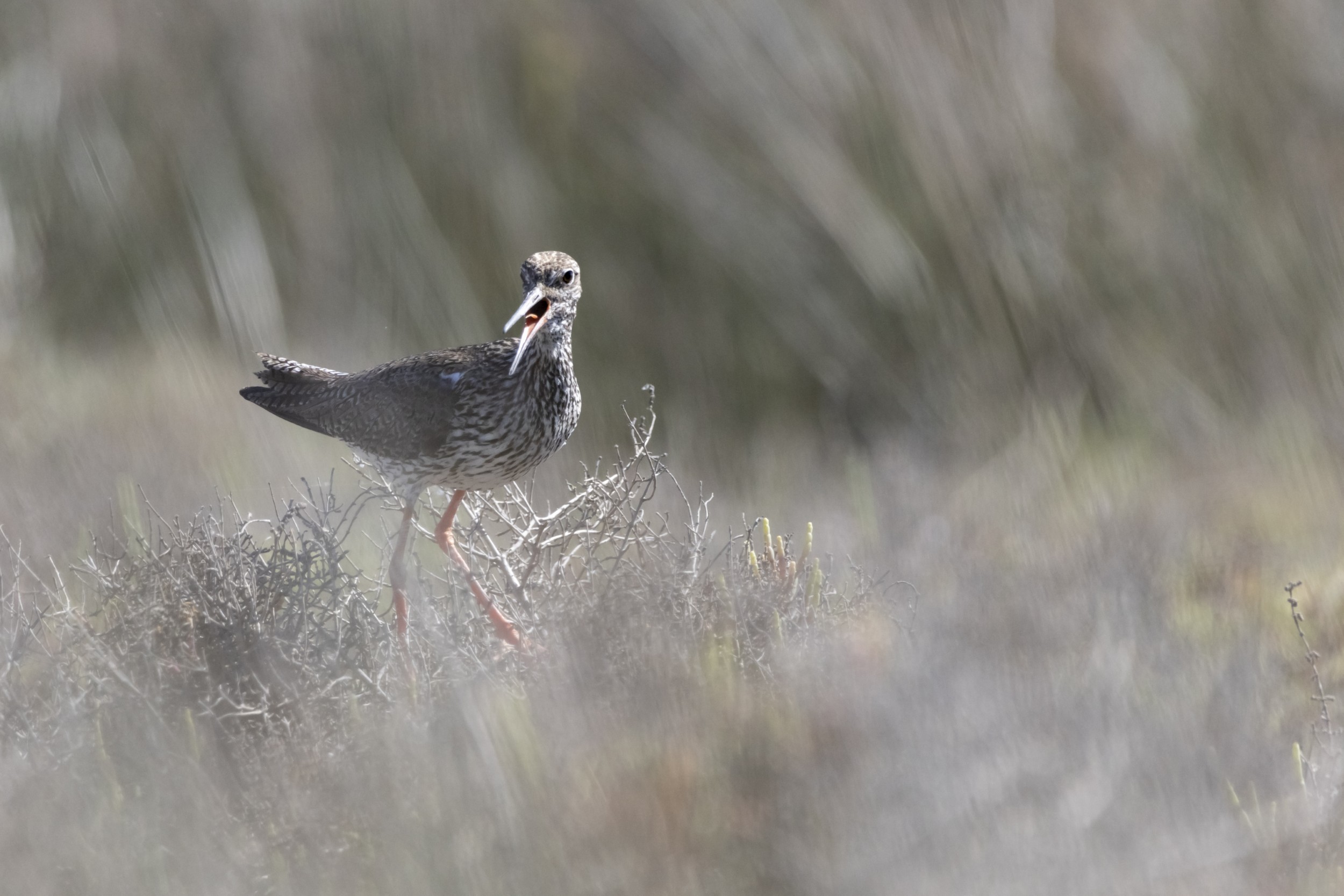
- The other winter birds: little egrets, glossy ibises, western swamphens along the reeds, teals, shovelers, curlews and lapwings
- With luck, a harrier, a kingfisher or a penduline tit
- Low late-afternoon light over the lagoons
Why January?
January falls at the heart of the display season. The park announces displays from early December to the end of March, and the Camargue then hosts thousands of waterbirds spending the winter. The sun stays low all day, which gives depth to the plumage.
Flamingos do not display on demand. There are quiet spells. We use them for portraits and the other birds, then go back to the group as soon as a head goes up.
Who is it for? All levels are welcome
This flamingo photography workshop is open to beginners too. If you have never photographed a bird, we start with the basics: shutter speed, continuous autofocus and burst mode. We also look at a trap specific to flamingos: white and pale pink blow out quickly in the exposure.
If you already shoot regularly, we work on isolating a pair within the mass of pink, deliberate motion blur on the wings and evening backlight. Advice is tailored to each person, right there in the field. To set up your camera, read my guide to wildlife photography settings for beginners.
Is Pont de Gau an ethical park?
The flamingos at Pont de Gau are wild birds. They come and go as they please, and many wear a ring read by the scientists who monitor them. The park manages 60 hectares of marshland, including the 48 hectares of the Ginès marsh. It bans call playback and drones.
Its care centre takes in around 600 injured wild birds each year and releases about 40% of them. It is funded by the park and by public grants.
It is also fair to say what the park’s website does not. The flamingos there are fed by the staff, in limited amounts that do not create dependence. That is why they let people come within a few metres. The park also keeps some species in aviaries.
On my other workshops, I only photograph animals that are neither baited nor fed. Here I make an exception, and I would rather say so. Pont de Gau lets you watch the display up close without approaching a wild colony. We stay on the paths and do not photograph the birds in aviaries.
A small group, no hard walking
The group is limited to 6 participants. That leaves me time to check in with everyone, look at your images and fix a setting at the right moment. The park’s paths are flat and there is little walking, but you stand for a long time, often in the cold.
How the day runs
We meet at 10 am at the entrance of the Pont de Gau bird park, near Saintes-Maries-de-la-Mer, when it opens.
In the morning, we set up the cameras and follow the first displays. We picnic on site at midday, which the park allows. In the afternoon, we go back to the flamingos and the other birds. The park exit stays open until sunset, around 5.30 pm, so the day ends in the evening light.
Equipment to bring
A DSLR, mirrorless or bridge camera, with its user manual. A focal length of at least 300 mm is recommended for portraits: a 100-400 mm or 150-600 mm zoom works very well. The flamingos are close, and a 70-300 mm is enough for group scenes. A tripod or monopod is recommended. Bring charged batteries, because the cold drains them quickly, even in the Camargue!
What else to bring
Warm clothes, a hat, a windproof jacket and thin gloves you can shoot in: the mistral often blows in the Camargue in winter. Closed shoes, water and a picnic for lunch.
In case of bad weather
This workshop depends on the sky. I decide whether it goes ahead based on the forecast. If conditions are not right, it is moved to another date in January or February, still within the display season, or cancelled and refunded.
Why this workshop rather than another?
Based in Vaison-la-Romaine, I photograph Provence and the Camargue, from Camargue cabins and landscapes (in French) to its wildlife. One day is enough to understand the display and come home with a real series of flamingo images. Places are limited to six people.